Yuichi Fukuda has a knack for adapting and bringing comical narratives pleasingly to life on the silver screen. He did not only impress with HK Hentai Kamen (2013) and his sequel HK Hentai Kamen Abnormal Crisis (2016), but also with Gintama (2017), Gintama 2: Rules Are Made To Be Broken (2018) and Wotakoi: Love Is Hard for Otaku (2020).
It thus comes to no surprise that Toho approached Fukuda to adapt Kengo Hanazawa’s slice-of-life action-comedy manga Under Ninja into a feature-film. Can he do right to his credentials or does he slip with this adaptation, like many confident subjects would by stepping on a banana-peel?
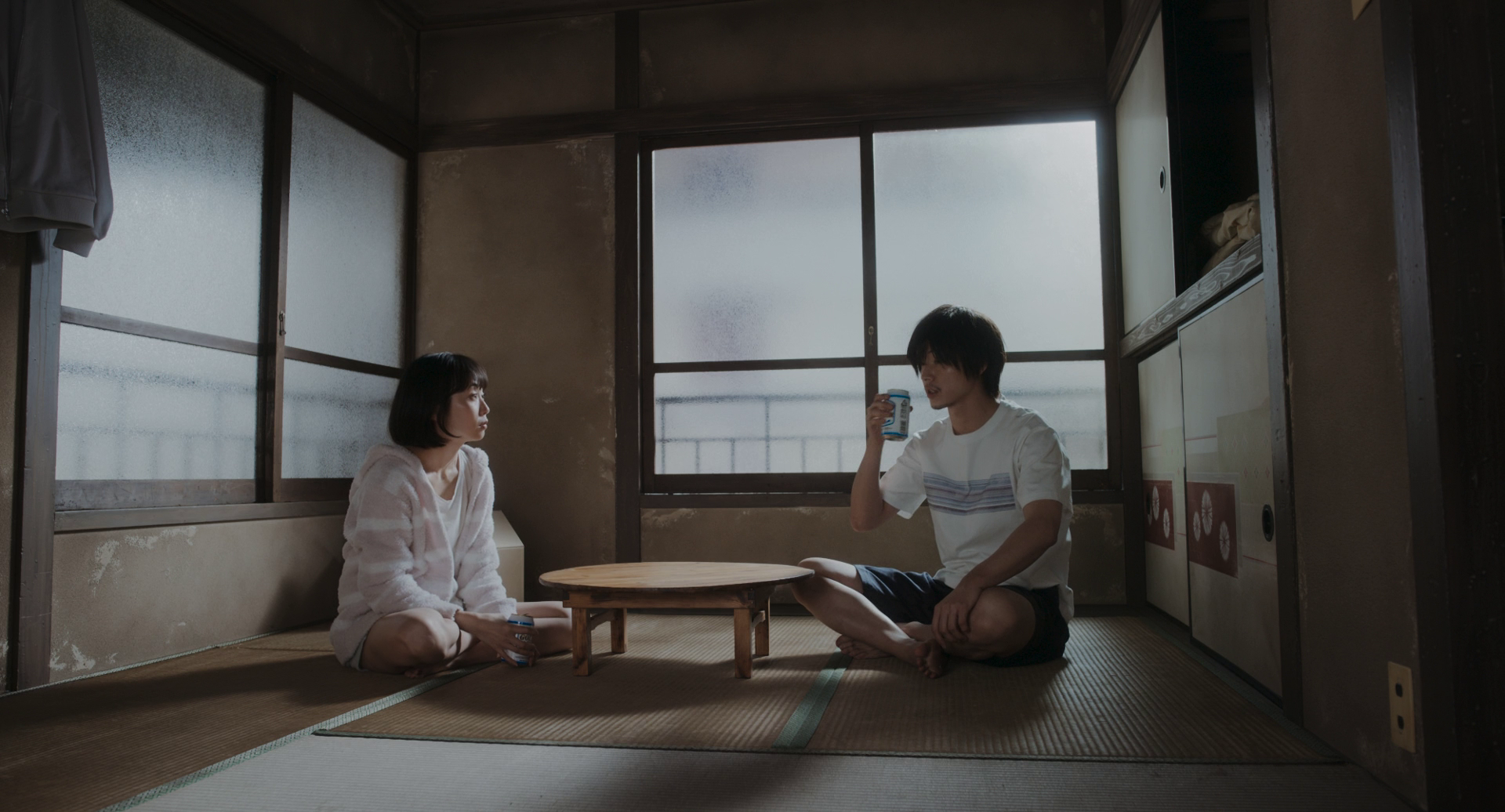
After the second-world war, the GHQ forced the dismantling of ninja organisations by enacting Special-Order no. 1. However, this governmental intervention did not cause the ninja to disappear, but merely forced them into hiding until the time became right to operate again – to carry out covert assassinations and sabotage missions.
However, recently, there is but little work for the ninja of the NIN – causing general discontent and boredom. 24-year-old Kuro Kumagakure (Kento Yamazaki) is one of those frustrated ninjas, but much to his surprise his life takes a turn for the better – or the worse – when Kato (Shotaro Mamiya) offers him a job: infiltrate Kodan High school to locate the undercover agent of the breakaway ninja faction called UN (Under Ninja) and uncover the reason for their presence.
Fukuda offers with Under Ninja a simple straightforward action-comedy sprinkled with a dash of romantic innuendo. The film is littered with moments of slapstick comedy, pun-like gags, light-hearted manzai-like conversational moments, non-sensical retorts, and plain ‘sexual suggestive’ silliness. While not all the jokes land well, the constant barrage of light-hearted silliness do succeed in putting the spectator in a good mood. However, to be able to savour the somewhat infantile suggestive romantic sillinessof Under Ninja, one must empty one’s mind and weaken one’s reflex to critically analyse the narrative.
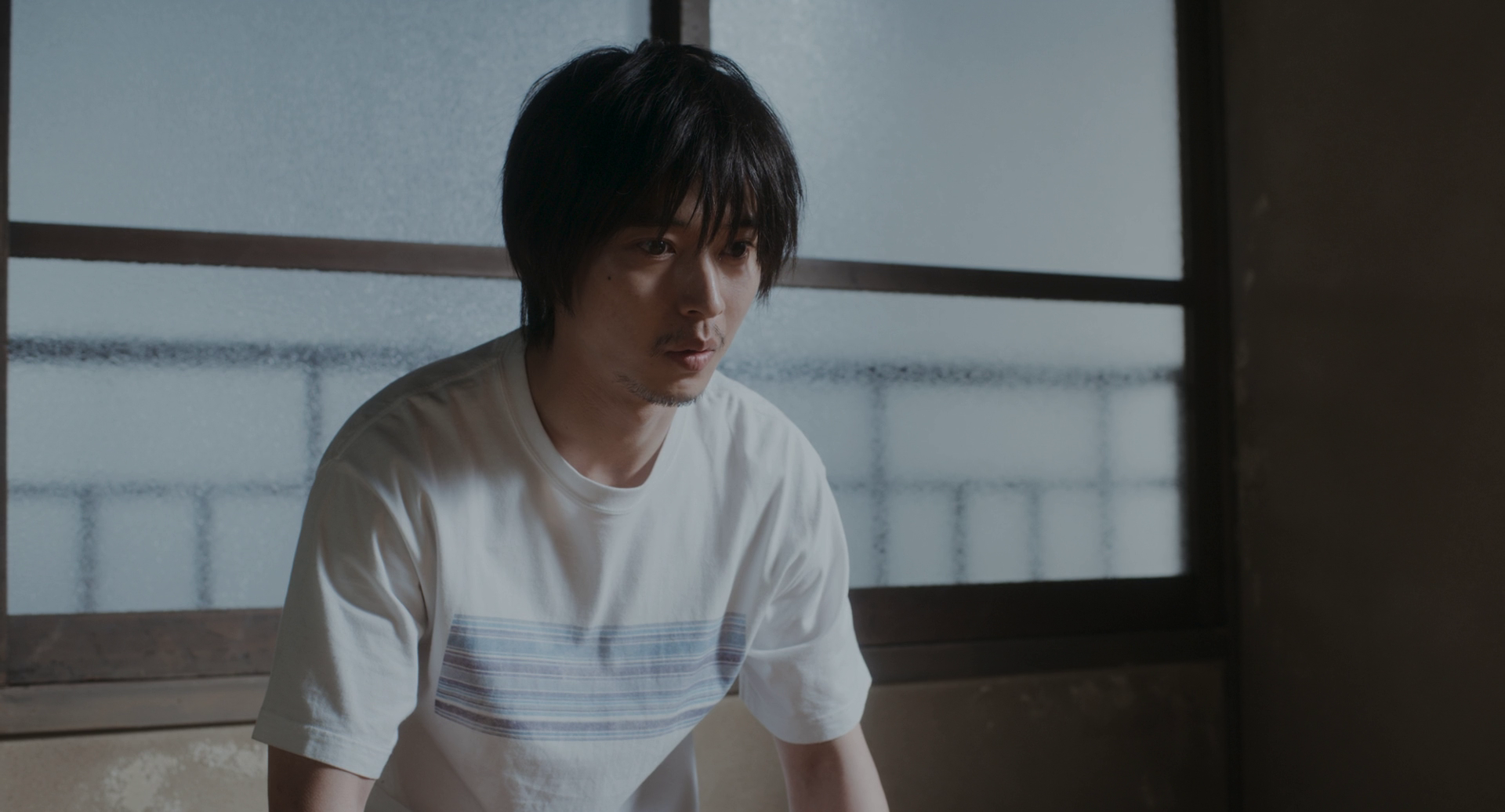
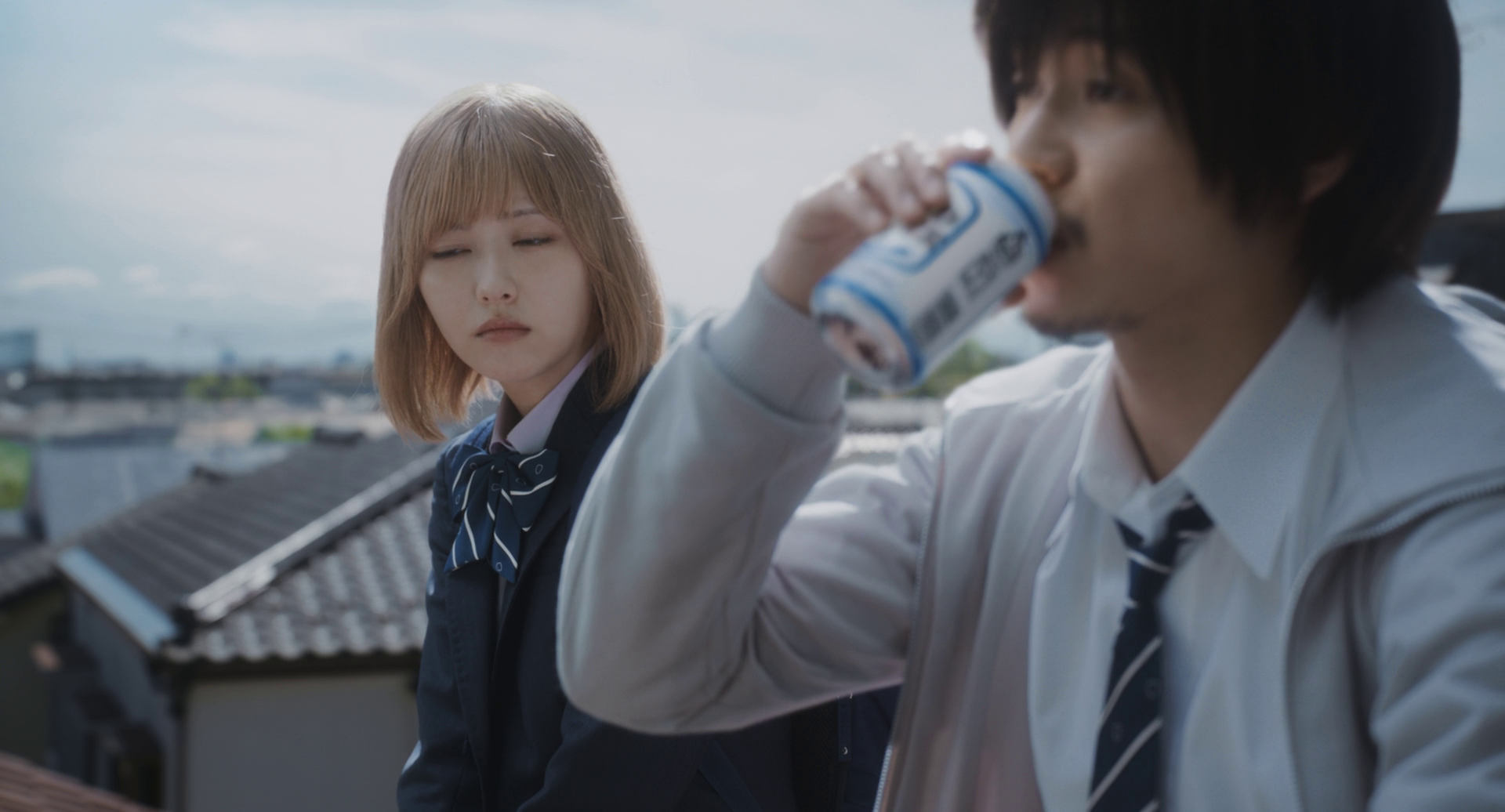
Much of the comedy within Under Ninja relies on some form of over-acting. Kento Yamazaki gives – dare we say – a great performance as the socially inadept shinobi Kuro who sports an unhealthy interest in rare family names. Minami Hamabe, who plays Ayaka Noguchi, a high-schooler who falls in love with Kuro, does not only breathe life into many comical moments with her over-acting, but also plays an important role in making Kuro’s dead-pan statements comical potent.
Luckily, Fukuda does not only deliver a concatenation of silly comical sketch-like moments, but also thoughtfully interweaves various puzzle pieces into the comical fabric to slowly sketch out the formidable threat – the ridiculously dangerous plot hatched by the UN – that looms yet unseen over Kuro Kumagakure and his allies Shion Hachiya (Ryubi Miyase) and Suzuki (Mai Shiraishi). It is, in fact, because the threat is introduced so effectively and the spectator is led to look forward to the coming clashes between shinobi that Under Ninja does not implode under its own indulgence in sexual innuendo and romantic silliness.
One of the enemies our heroes face is Saruta (Amane Okayama), a blood-thirsty shinobi. He exemplifies the simple dynamic of evil, the perverted dynamic of consumption. He is not simply a subject who thirsts for transgressive jouissance, but a subject who will satisfy himself by killing until another subject rips open his body to offer him his desires cathartic end of self-destruction.
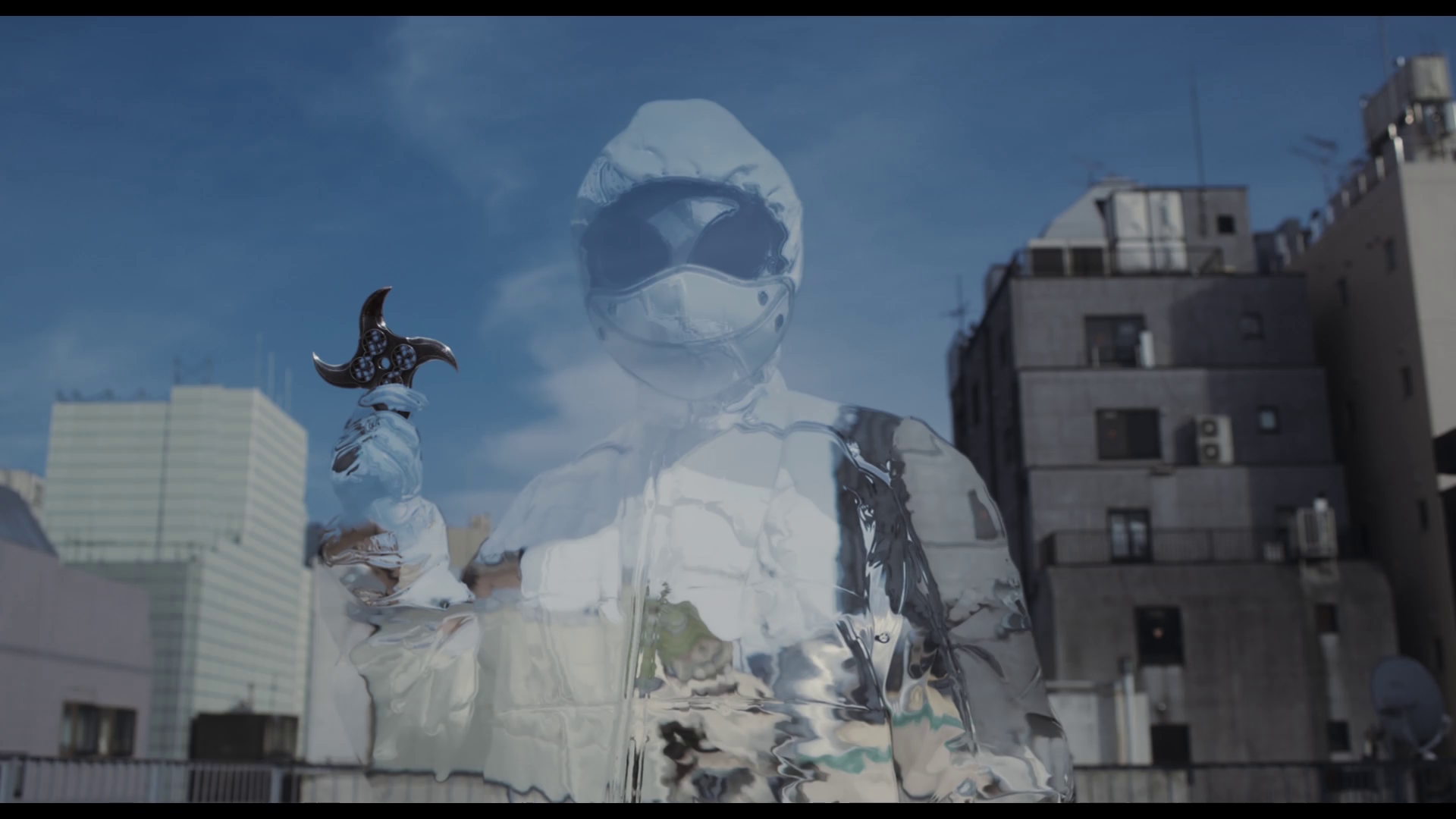
The composition of Under Ninja is highly dynamic – Fukuda maintains a certain quantum of dynamism throughout the entire film. By utilizing restrained dynamism to frame the more ‘narrative’ moments – moments that further the narrative and/or provide some comic relief, Fukuda does not only give his composition a sense of harmony and a pleasant and engaging visual flow, but also subtly prepares the spectator for the bursting forth of action-moments (Cine-note 1).
Fukuda, by utilizing dynamism on different compositional bar-lines, brings the action-choreographies in a satisfying way to life. He energetically mixes spatial and tracking dynamism together and plays with the pace of dynamism to infuse a cool excitement into the way the fights unfold and generates an engaging tension by supporting the dramatic turns in the clashes with a swift but variable visual tempo. Every stylistic choice made by Fukuda aims to emphasize the dynamic nature and heighten the visual impact of the fighting choreographies. This is, furthermore, corroborated by his sporadic use of slow-motion to add a dash of coolness to certain action-moves.
The film’s sound-design further enhances the flow of the composition and the choreographies. The pattern of various sounds (e.g. the swishing of knives, the gunshots, sound of sudden movements, …) emphasise each in their own way the dynamism of the shinobi action. The musical accompaniment, on the other hand, breathes life into the dramatic flow of the fights, infusing a coolness into the clashing of bodies and generating a tensive anticipation within the fleeting moments of rest.
Musical accompaniment is also used to guide the conversational comedy. The music, by playfully accentuating the conversational flow, heightens the light-hearted impact of the repetitive exaggeration of the awkwardness caused by the misunderstanding that structures all speech-interactions. Sounds, on the other hand, are richly sprinkled throughout the narrative to heighten the slapstick-effect of certain moments of over-acting (e.g. Ayaka’s passed-out face, … etc).
Under Ninja offers what it sets out to offer in spades: entertainment. Fukuda’s film is satisfactory not only because he puts many smiles on the spectator’s face, but also because he succeeds in putting the spectator on the edge of his seat during the action-choreographies. In short, great mindless fun, perfect to wash away the stress that has infiltrated one’s body during the week.

Notes
Cine-note 1: Fukuda often relies on zoom-in and other dynamic shots to heighten the impact of certain comical moments, for example to support the pun-like reveal of a certain facial expression.
 psychocinema