Introduction
Opening the door of cinema is very much like undraping a mirroring window that offers the spectator a fantasmatic glance at the Other, engages with his desires and fantasies, and allows him to put his own subjective position within the Other into question. When a year comes to a close, is is the perfect time is to look back and undertake the difficult task of deciding which Japanese films had the most subjective impact, which films were the most effective mirroring windows.
One year of cinema is, sadly, not enough to offer a definite list of best films of a certain year – certain films stay under the radar, others only manage to escape the festival circuit the following years. Any list is, thus, a selection of a subset of the set of Japanese films produced in a given year. However, year ends concatenate, more movies become available and our rankings take on a more definite form.
Last year, due to various circumstances, we failed to offer our perspective on what the best filmic experiences of 2024 were. However, the time has come to finally fill this lacune. Our list consists, unsurprisingly, of a mix of different genres – romance, action, drama, … etc.,. However, for readers who have followed us through the years, little surprises await.
Honourable Mentions
* Undead Lovers by Daigo Matsui
Daigo Matsui does not miss any beat with Undead Lovers. He delivers a heartwarming romance narrative that, due to its fresh approach to certain tropes of the genre, rises above the common derivative romance drivel Japan usually produces. This is not, like some commentators have argued, a narrative that celebrates the ‘purity’ of love, but a narrative that, in a light-hearted way, exposes the implication of the subject in the act of desiring and the construction of memories.
*Baby Assassins: Good Days by Yugo Sakamoto
With Baby Assassins: Good Days , Yugo Sakamoto successfully mixes up the formula that structured his previous two action narratives. Not only does he create an experience that delivers what fans loved in the first two movies, but also rephrases the series’ overarching theme in a fresh and grittier way.
Bushido by Kazuya Shiraishi
With Bushido , Kazuya Shiraishi proves that the frame of the samurai and the Edo society can still be utilized to deliver refreshing narratives. By exploiting the beauty of the strategic game of go and the cruelty of the moral Other, Shiraishi succeeds in delivering a contemplative questioning of bushido as moral system and of how a subject of desire should relate himself to a symbolic set of strict rules and demands.
Missing Child Videotape by Ryota Kondo
Ryota Kondo’s Missing Child Videotape proves that the emaciated and abused body of J-horror still has some life within it. Directors, like Ryota Kondo, understand that the golden-age of J-horror cinema cannot be replicated and one can only create something fresh by utilizing the lessons of the horror-masters to play with the suffocating confines that imprisons the genre.
Top Ten Japanese Movies
10) 18×2 Beyond Youthful Days by Michihito Fujii
18×2 Beyond Youthful Days proves that the tropes of the romance genre can still be exploited in a refreshing and emotionally satisfying manner. By combining satisfying performances, a visually pleasing composition, and a great narrative structure together, Fujii ensures that his latest has to counted among the best in the genre.
9) House of Sayuri by Koji Shiriashi
All Japanese directors who struggle to fluidly interweave different genre-elements within their J-horror narratives should give Koji Shiraishi’s House of Sayuri a thorough watch. Just like the spectator, he will not only be reminded of the fact that atmosphere defined the J-horror classics of the late nineties and early noughties, but also learn that the thoughtful manipulation of this atmospheric field is integral to create an effective and engaging genre-blend.
8) The Box Man by Gakuryu Ishii
The Box Man is an incredible satisfying cinematic experience, one that enthrals the spectator from start to finish. Ishii goes beyond the mere frame of homelessness and the conflict between a search for anonymity and a desire for desire to deliver an evocative exploration of the absent presence of the gaze, the register of scopic ‘voyeuristic’ pleasure, the misrecognition of the logic of desire, and the fakeness that structures the register of the ego.
7) All The Long Nights by Sho Miyake
All The Long Nights is a splendid drama that shows how symptoms can disturb a subject’s life and how the social field attains its cruel complexity due to the riddle of desire. While Miyake’s film is an easy recommendation for those who love his previous work, And Your Bird Can Sing (2018) and Small, Slow But Steady (2022), we duly recommend this film to anyone who loves interpersonal drama or who seeks a subtly layered but complex exploration of a subject’s relation to the Other.
6) Desert of Namibia by Yoko Yamanaka
Desert of Namibia proves that her debut Amiko (2017) was no fluke. While many years have passed since her debut, these years of refining her skill and creatively exploring her own position within the Other she was born in have enabled her to deliver a cinematic masterpiece of subjectivity. Yamanaka, by expertly exploiting imagery and sound, does not only bring the spectator into contact with the void that ails the contemporary subject, but lets him fleetingly experience it or re-discover its presence within himself.
5) My Sunshine by Hiroshi Okuyama
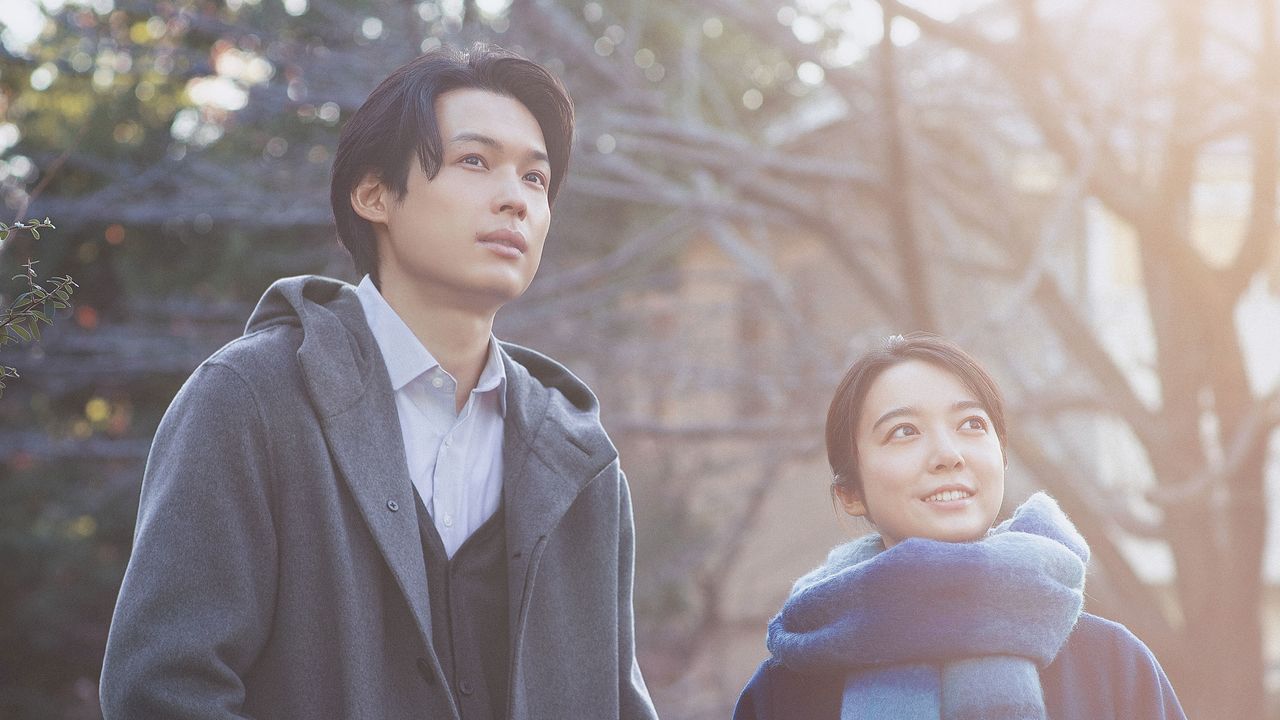
My Sunshine, Okuyama’s bittersweet celebration of youth – seishun , celebrates the importance of the encounter and of desire, the force that pushes the subject towards inter-subjective connection. Okuyama charms the spectator with a visual fabric that elegantly emphasize the beauty in wintery landscapes as well as the warmth of human interactions. Of course, it is only because of the disarming performances of Sosuke Ikematsu, Kiara Nakanishi, and Keitatsu Koshiyama that the latter warmth is able to radiate so strongly and warm his heart – melting the coldness of adult life for a fleeting moment away.
4) A Girl Named Ann by Yu Irie
A Girl Named Ann offers the spectator one of most upsetting confrontations with the way the societal and familial Other can fail the subject. Yu Irie’s narrative does not merely offer the spectator a shocking example of the collateral damage COVID-19 guidelines have caused, but also sketched out how the symbolic machinery of rules and requirements often leaves struggling subjects to their own devices.
3) Teki Cometh by Daihachi Yoshida
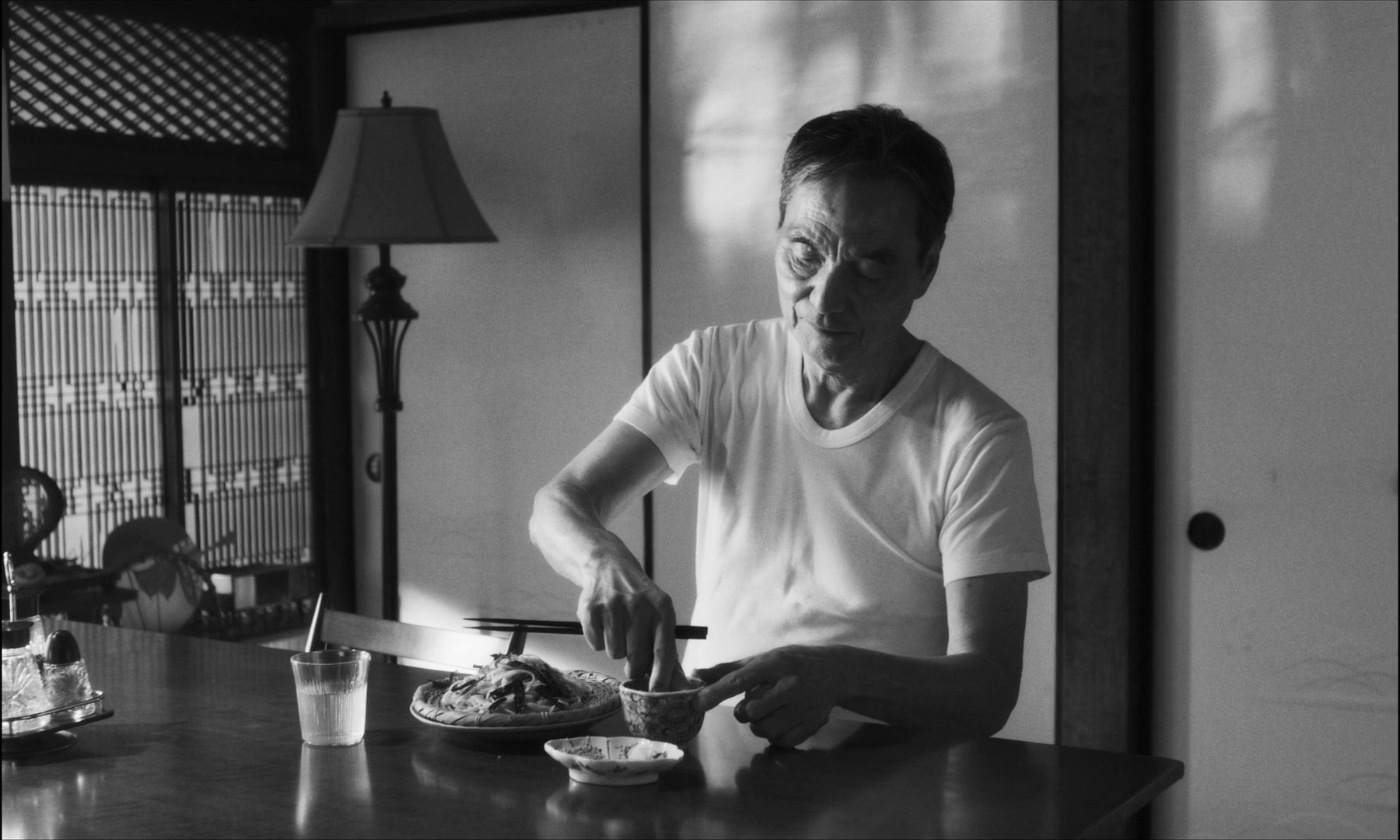
Teki Cometh offers the spectator a vivid and mesmerising experience that does not only illustrates the subjective impact of increased isolation on giving meaning to one’s own life – on the stability of the frame of one’s ego, but also shows the equivocal nature of the signifier. The latter revelation allows Yoshida to confront the spectator with the problematic way the contemporary subject often deals with his own discontent and the abyss of the unknown.
2) HappyEnd by Neo Sora
HappyEnd is an incredible tour-de-force that hits home – confronting the spectator with the threat of the right-wing political Other – (my) safety first, while also sketching the societal dynamic that, in all probability, structures his presence within the societal field. Neo Sora’s subdued drama must be seen, now more than ever, as recent political shifts signal that the future is nearer than we think.
1) The Young Strangers by Takuya Uchiyama
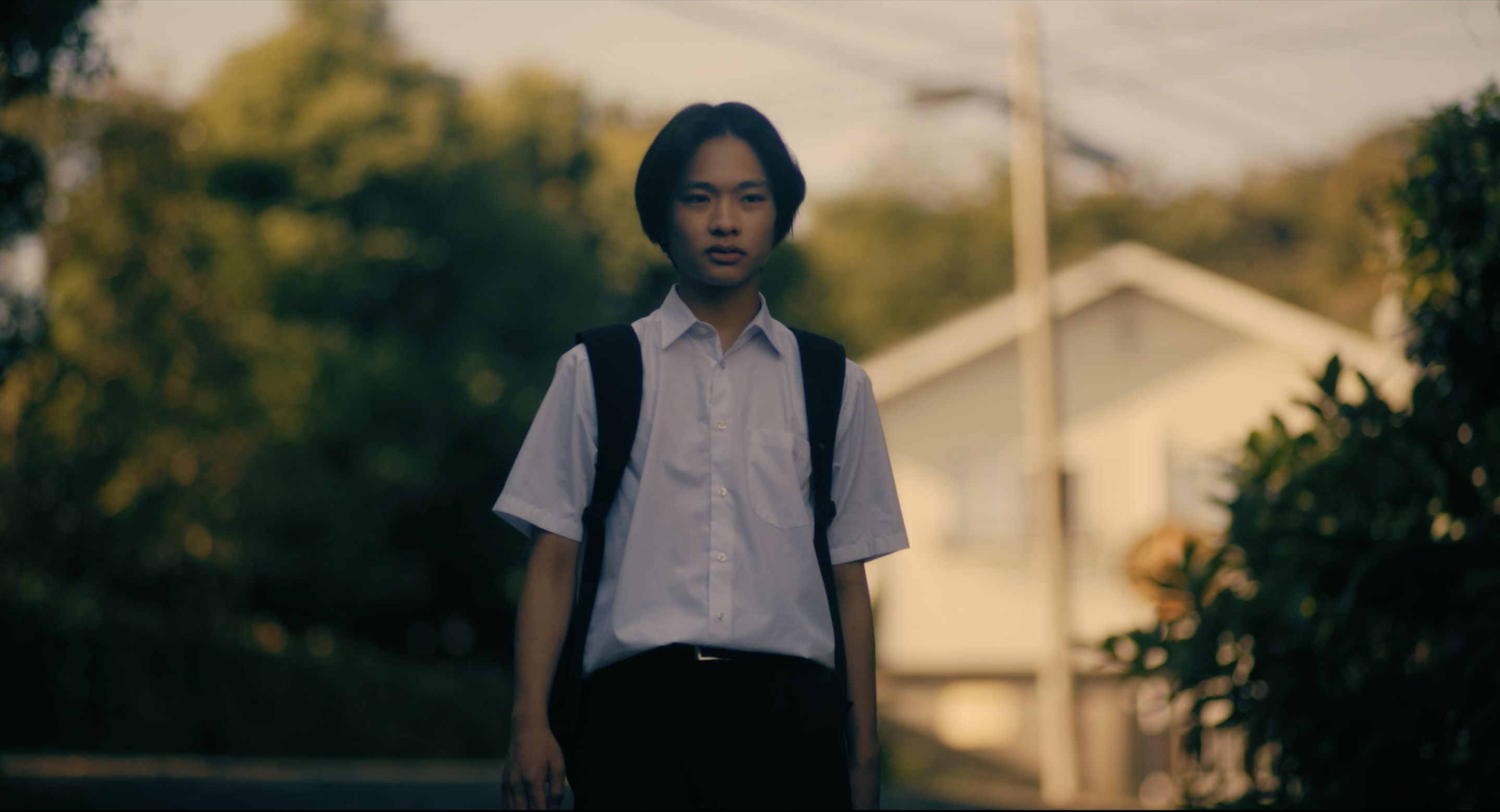
The Young Strangers does not merely life up to the promise the director showed with Sasaki in My Mind (2020), but surpasses it. Uchiyama delivers a masterpiece that does not merely grab the spectator by his throat, but confronts him with the fundamental importance of the signifier in a heartrending way.
VIDEO


 psychocinema